Business Advisory

Financial oversight, reporting discipline, cash flow strategy, and governance insights for growing South African businesses.

Business Advisory

What Financial Reports Should Every Business Owner Review Monthly?

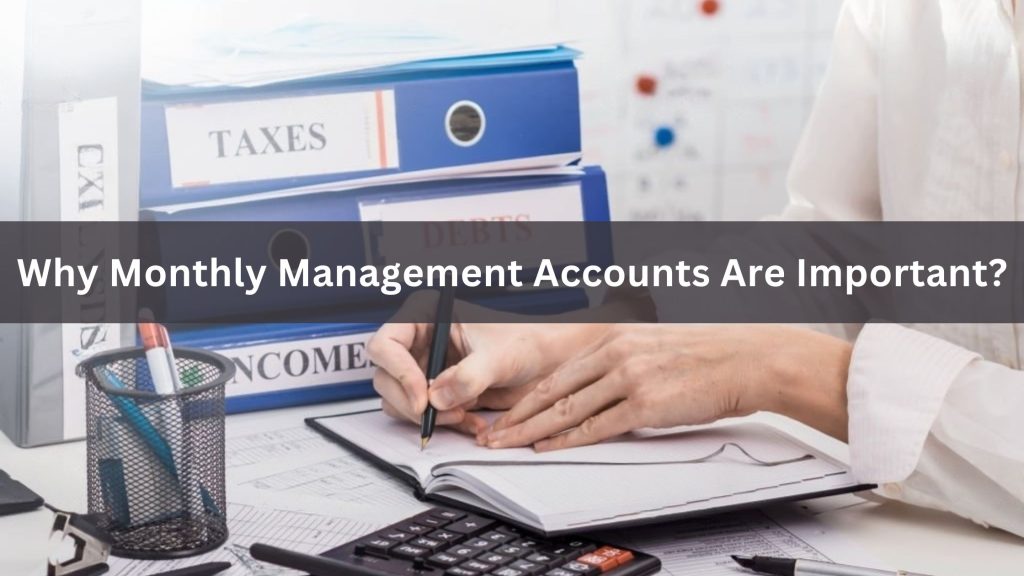
Relying solely on annual financial statements can leave business owners reacting too late to emerging issues. Monthly financial review provides timely insight into revenue trends, cash flow, debtors, creditors, and payroll, helping you identify risks before they escalate.

By consistently reviewing income statements, balance sheets, and cash flow reports — alongside budget comparisons — you gain clarity on profitability, liquidity, and financial stability. This structured approach transforms numbers into actionable intelligence, enabling informed decisions, early corrective action, and stronger control over your business’s growth trajectory.
Business Advisory

Accounting Systems vs Manual Bookkeeping: What’s Riskier for Growing Businesses?

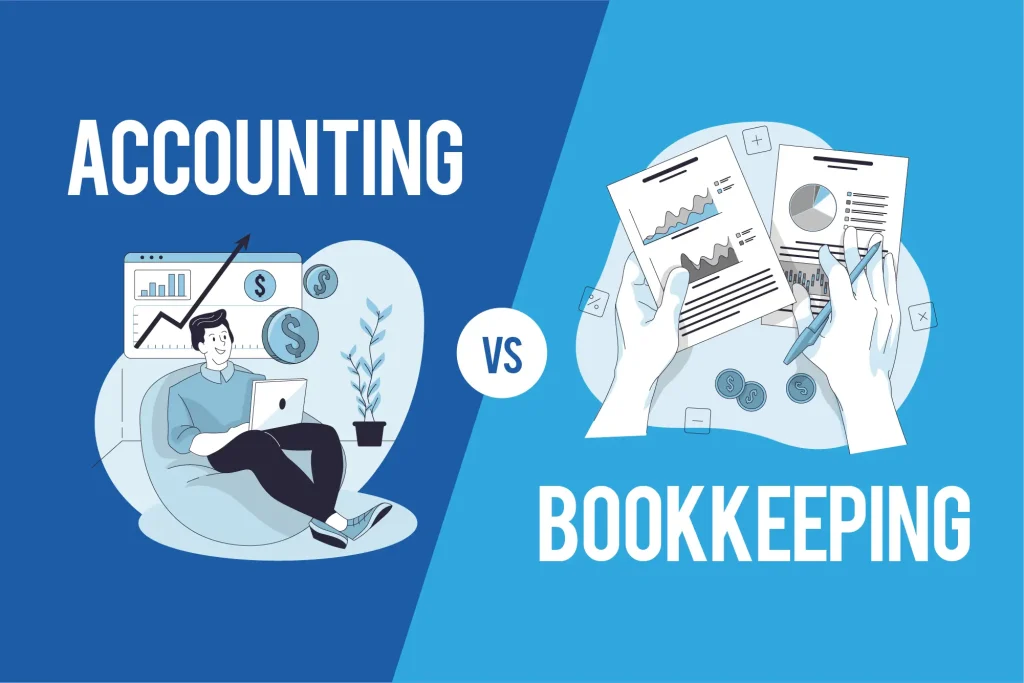
Many South African small businesses start with manual bookkeeping—spreadsheets, paper records, or informal tracking. It works at first, but as revenue grows, transactions multiply, and VAT obligations increase, the risks rise too. Errors, missed tax entries, and limited reporting visibility can quietly accumulate, putting your business at risk.

Structured accounting systems provide automation, real-time reporting, integrated VAT tracking, and audit-ready records, helping you stay compliant and focused on growth. The real question isn’t whether manual bookkeeping works—it’s whether it’s still the right fit as your business evolves.

Business Advisory

The SME Financial Governance Framework: A Structured Approach for South African Businesses

In today’s dynamic business landscape, financial governance is crucial for small and medium-sized enterprises (SMEs) in South Africa. It’s not just a corporate luxury; it’s a vital mechanism for stability and growth. This framework outlines five core pillars of financial governance—Compliance, Reporting, Cash Flow, Risk, and Strategic Governance—that can transform your business operations. By implementing structured governance, you can reduce compliance risks, enhance decision-making, and ultimately increase long-term value. Discover how your SME can thrive with a robust financial governance strategy tailored to your unique needs. Read on to explore the path to sustainable growth!

Business Advisory

When Should You Change Accountants? Signs Your Business May Need Structured Support

Changing accountants is rarely about dissatisfaction alone — it is often about growth. As businesses expand, increase revenue, register for VAT, or take on staff, their financial oversight requirements become more complex. What once worked at a start-up stage may no longer provide the structure or strategic guidance needed to manage risk effectively.

Recurring compliance issues with the South African Revenue Service, unclear financial reporting, or reactive communication are not merely inconveniences — they may signal that your business has outgrown its current level of support. Strong accounting oversight should provide clarity, proactive planning, and confidence in your financial position.

If your financial reports raise more questions than answers, or if tax obligations frequently come as a surprise, it may be time to reassess whether your accounting structure aligns with your business stage.

Scroll to Top