

Why Cash Flow Forecasting Matters More Than Profit for Growing Businesses
Introduction Many business owners focus primarily on profit. If the income statement shows a surplus, the business appears healthy. However, […]
Introduction Many business owners focus primarily on profit. If the income statement shows a surplus, the business appears healthy. However, […]

Introduction Provisional tax is one of the most misunderstood obligations affecting South African business owners. Many assume it is an

Introduction Tax compliance is one of the most critical responsibilities facing South African small and medium-sized enterprises (SMEs). While most
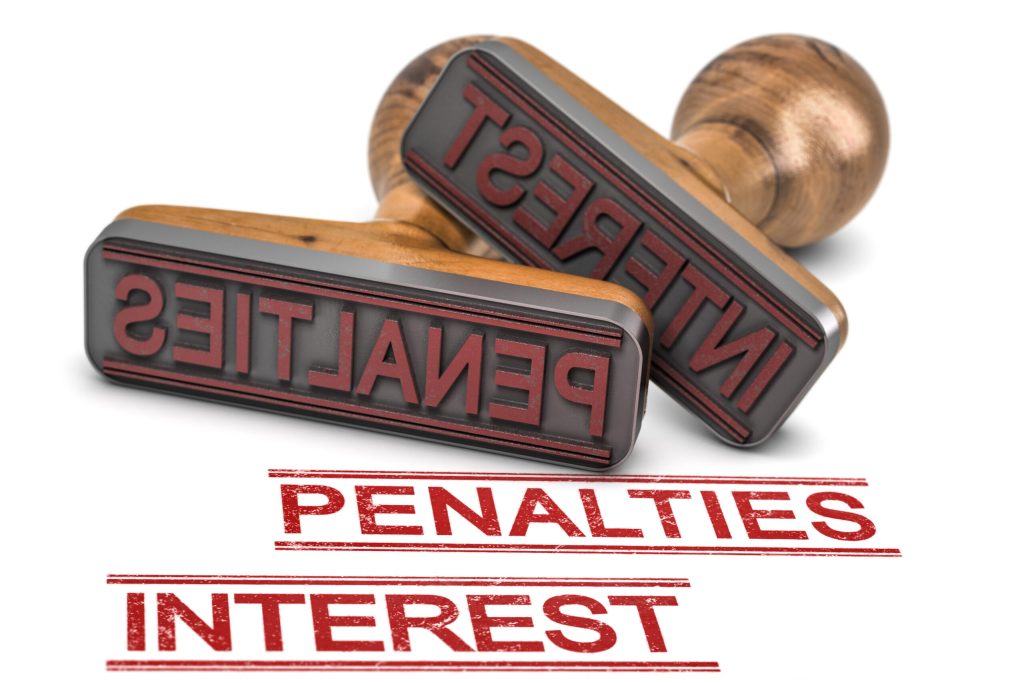
VAT submission errors are more common than many businesses realize, but they are usually correctable if addressed promptly. Mistakes—like misclassified sales, missed invoices, or incorrect VAT calculations—can lead to penalties, interest, and potential SARS verification if left unresolved.
The key is a structured approach: identify the nature and period of the error, determine whether it’s minor or material, reconcile your VAT control account, and ensure all adjustments are properly documented. Implementing preventative controls, like monthly reconciliations and clear classification policies, not only corrects the current issue but also reduces the risk of future discrepancies.
Timely, disciplined correction transforms a potentially costly mistake into a manageable compliance process.

For many business owners, the idea of a SARS audit creates immediate anxiety. However, audits are not random punishments —

When Does a Business Need CFO-Level Support? Introduction Many business owners associate Chief Financial Officers (CFOs) with large corporations. The
Introduction Many small business owners believe that annual financial statements are sufficient for managing their operations. As long as tax
When a business falls behind on tax compliance, the risk rarely remains contained to a single missed submission. What begins as an overdue VAT201 or provisional tax return can quickly trigger automated penalties and accumulating interest from the South African Revenue Service (SARS). Over time, these amounts compound — increasing financial pressure rather than relieving it.
Beyond the immediate financial cost, non-compliance can affect a company’s tax status, which many banks, suppliers, and government institutions now verify directly. The longer the delay, the more complex and expensive remediation becomes. Acting early is not merely advisable — it is financially strategic.

Introduction Value-Added Tax (VAT) registration is one of the most misunderstood compliance obligations for South African businesses. Many business owners